
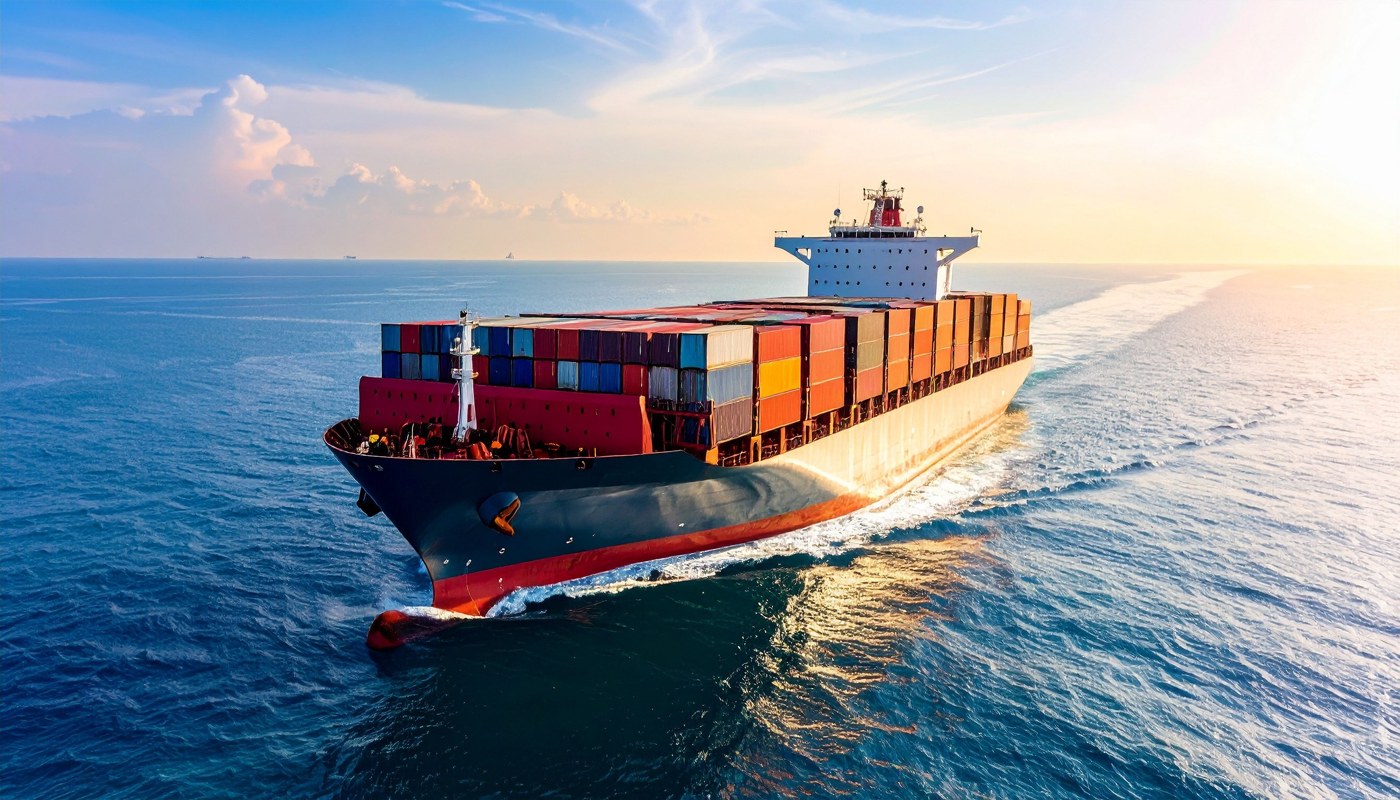
Steamship lines are reporting tightening capacity, equipment imbalances, and growing schedule uncertainty across several major trade lanes. The most significant challenges involve the Middle East, Red Sea, Indian Subcontinent, and transshipment routes through Singapore, Panama, China, Europe, and parts of Africa.
Full sailings and enforced allocations are affecting U.S. East Coast and Gulf exports, while blank sailings may create additional pressure. Inland dry equipment and reefers are also limited in select markets. At the same time, carriers are actively seeking cargo to Asia, North Europe, Latin America, and Australia/New Zealand. Changing schedules, congestion at transshipment hubs, higher fuel costs, tariffs, and war-risk surcharges are expected to keep the market unpredictable through the remainder of 2026.
Middle East disruptions
The Middle East and Red Sea represent the market's most significant risk. Space is difficult to secure, schedules are changing, and war-related operating restrictions are affecting Persian Gulf and Indian Subcontinent services. Many shipments are being rerouted through Europe, while Turkey is becoming a more important alternative gateway into the Middle East — placing additional pressure on vessel capacity and transshipment operations. Emergency fuel, war-risk, and related surcharges are being announced across many trades and may change quickly as geopolitical conditions and fuel costs evolve.
Carrier snapshot
CMA CGM — Capacity concerns on U.S. Gulf and PNW to India, and Gulf to Asia and the Middle East; most other lanes remain open. Watch for inland and Tacoma equipment shortages, transshipment delays, and blank-sailing risk.
MSC — East Coast, Gulf, Mediterranean, California, North Atlantic, and West Africa near full; opportunities in Latin America, Australia/New Zealand, and select Houston–Subcontinent cargo. Equipment is balanced and allocations are enforced on high-demand services.
ONE — Concerns on the Middle East, India and Pakistan, and Singapore/Panama transshipments; opportunities to North Europe, Asia, and West Coast–Latin America. Direct services offer the strongest reliability.
Overall, capacity is strongest on direct routes to Asia, North Europe, Latin America, and Australia/New Zealand. The greatest risk remains Middle East and Indian Subcontinent cargo, especially when transshipment is required.
U.S. capacity and space
Space is especially tight from the U.S. East Coast and Gulf. MSC reports full or nearly full sailings on its East Coast, Gulf, Mediterranean, California Express, North Atlantic, and West Africa services, with allocations enforced to prevent rolled containers. U.S. Gulf exports to the Middle East and Asia remain particularly constrained, and CMA reports full Pacific Northwest and West Coast capacity to India. ONE recommends avoiding Middle East and Indian Subcontinent routings, especially India and Pakistan, because of conflict-related restrictions and operational uncertainty.
Where carriers are seeking cargo
- U.S. East and West Coast to China, Korea, Taiwan, and Vietnam
- East Coast to North Europe (ONE AT1 and AT2)
- MSC services to Latin America and its new direct Australia/New Zealand service
- Houston to India, Pakistan, and the Subcontinent on selected MSC capacity
- West Coast to Puerto Quetzal, Caldera, Manzanillo, and Lazaro Cardenas
Equipment, ports, and rates
Equipment is broadly balanced at major U.S. gateways, though lower import volumes have reduced excess equipment for export repositioning. Localized dry-equipment shortages have been reported in Kansas City, Cincinnati, Cleveland, Columbus, Tacoma, and parts of the U.S. Gulf, with Chicago especially tight for reefers.
Major U.S. ports are generally operating without systemic congestion, but transshipment ports present a greater concern: Genoa continues to experience congestion, Port Klang and Singapore are reporting delays, African hubs are experiencing berth congestion, and Middle East and China transshipment routes remain disrupted. Whenever possible, direct services currently offer greater reliability than routings requiring transshipment. Contract rates have not increased significantly across the board, but the continued expansion of fuel, emergency, and war-risk surcharges is the larger concern rather than widespread base-rate increases.
Outlook for the remainder of 2026
The market is expected to remain volatile through the balance of 2026. Demand is generally stable, but customers remain highly sensitive to surcharges and fuel-related increases. The primary risks are Middle East and Red Sea instability, rapidly changing war-risk and fuel surcharges, carrier schedule changes, blank and void sailings, persistent U.S. Gulf export constraints, inland equipment shortages, congestion at key transshipment hubs, and tariff-policy uncertainty. Direct routings, early bookings, and close monitoring of carrier schedules and surcharges will be essential for minimizing delays and unexpected costs.